
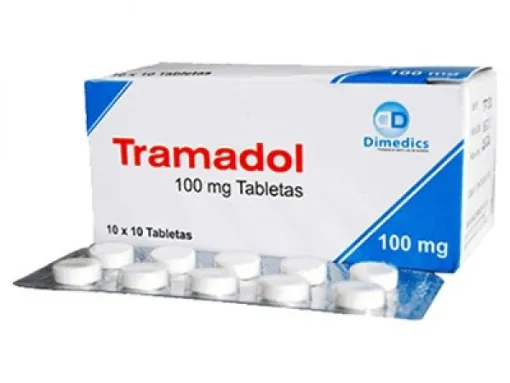
Buy Tramadol 100mg
Price range: 60 $ through 600 $
Tramadol HCL medication is used to help relieve moderate to moderately severe pain. Tramadol is similar to opioid (narcotic) analgesics. It works in the brain to change how your body feels and responds to pain.
Read the Medication Guide provided by your pharmacist before you start taking tramadol and each time you get a refill. If you have any questions, ask your doctor or pharmacist.
Tramadol Dosage and Safe Usage Guide
Understanding Tramadol Dosage
Your healthcare provider will determine your Tramadol dosage based on your medical condition, pain severity, and response to treatment. To minimize the risk of side effects, your doctor may start you on a low dose and gradually increase it over time.
Always follow your doctor’s instructions carefully.
- Maximum recommended daily dose: 400 mg
- Maximum recommended daily dose for adults over 75 years: 300 mg
Do not increase your dosage, take the medication more frequently, or continue treatment longer than prescribed.
How to Use Tramadol Effectively
Tramadol works best when you take it at the first signs of pain. If you wait until the pain becomes severe, the medication may be less effective.
For chronic pain conditions such as arthritis, your healthcare provider may prescribe long-acting opioid medications alongside Tramadol. In these cases, Tramadol may be used as needed for breakthrough pain.
Your doctor may also recommend additional pain relievers, including:
- Acetaminophen
- Ibuprofen
- Other non-opioid pain medications
Always consult your healthcare provider before combining Tramadol with other medications.
Stopping Tramadol Safely
Do not stop taking Tramadol suddenly, especially if you have used it for an extended period or at high doses.
Abrupt discontinuation may lead to withdrawal symptoms. To reduce this risk, your doctor may gradually lower your dosage over time.
Common Withdrawal Symptoms
Contact your healthcare provider if you experience:
- Restlessness
- Anxiety
- Difficulty sleeping
- Mood changes
- Suicidal thoughts
- Watery eyes
- Runny nose
- Nausea
- Diarrhea
- Excessive sweating
- Muscle aches
- Sudden behavioral changes
Long-Term Use Considerations
Some individuals may notice that Tramadol becomes less effective after prolonged use. If your pain relief decreases over time, speak with your healthcare provider. They may adjust your treatment plan to better manage your symptoms.
Do not change your dosage without medical supervision.
Addiction and Dependence Risk
Although Tramadol helps many patients manage pain effectively, it carries a risk of dependence and addiction.
Your risk may be higher if you have a history of:
- Substance use disorder
- Drug addiction
- Alcohol misuse
To reduce the risk of dependence:
- Take Tramadol exactly as prescribed.
- Never share your medication with others.
- Avoid taking higher doses than recommended.
- Follow your healthcare provider’s instructions regarding treatment duration.
If you have concerns about dependence or addiction, discuss them with your doctor or pharmacist before starting treatment.
Important Safety Information
Always inform your healthcare provider about all medications, supplements, and medical conditions before using Tramadol. Proper use and regular medical supervision can help maximize pain relief while reducing the risk of serious side effects and complications.
| Qty Tramadol | Tramadol 100mg ( 180 Tablets ), Tramadol 100mg ( 30 Tablets ), Tramadol 100mg ( 360 Tablets ), Tramadol 100mg ( 60 Tablets ), Tramadol 100mg ( 90 Tablets ) |
|---|
Be the first to review “Buy Tramadol 100mg”
Related products

Pills
Pills


Pills

Pills
Reviews
There are no reviews yet.