
Buy LSD Gel Tabs 500mcg

Price range: 160 $ through 1 000 $
Buy LSD Gel Tabs 500mcg online. Lysergic acid diethylamide, abbreviated LSD or LSD-25, also known as lysergide and colloquially as acid, is a semisynthetic psychedelic drug of the ergoline family, well known for its psychological effects.
1 Sheet contains 100 Gel Tabs, each 500mcg LSD.
For any quantity above 1000 Gel Tabs, please contact us to negotiate the price.
Understanding LSD Gel Tabs: Forms, Effects, and Risks
What Is LSD?
LSD (lysergic acid diethylamide) is a powerful psychedelic substance that can significantly alter perception, mood, and cognition. Scientists originally developed LSD from lysergic acid, a compound associated with ergot, a fungus that grows on certain grains. LSD remains one of the most potent hallucinogenic substances known.
Common Forms of LSD
People distribute LSD in several forms, including:
- Blotter paper divided into small squares
- Liquid solutions stored in small containers
- Gelatin-based tabs, commonly known as gel tabs
Manufacturers may color gel tabs or imprint them with various designs. The appearance of LSD products can vary widely.
How LSD Affects the Body and Mind
LSD affects individuals differently. Factors such as dosage, mindset, personality, expectations, and environment can influence the overall experience.
Physical Effects
LSD may produce a range of physical effects, including:
- Increased body temperature
- Dilated pupils
- Elevated heart rate
- Increased blood pressure
- Sweating
- Loss of appetite
- Tremors
- Dry mouth
- Difficulty sleeping
Psychological Effects
LSD can dramatically alter perception, emotions, and thought patterns. Users may experience:
- Rapid shifts in mood
- Altered perception of time
- Visual hallucinations
- Changes in self-awareness
- Sensory distortions
- Synesthesia, such as perceiving sounds as colors or colors as sounds
Some individuals may find these experiences overwhelming, which can lead to anxiety, fear, or panic.
Risks and Considerations
The effects of LSD are highly unpredictable. Experiences can vary considerably between individuals and even between separate uses by the same person. Higher doses may increase the likelihood of intense hallucinations, confusion, and psychological distress.
Research Use Disclaimer
Some compounds are marketed for laboratory or scientific research purposes only. Such products are typically labeled as not intended for human consumption or resale. Storage instructions generally recommend keeping materials in a cool, dry place.
| Qty Blotters | 100 Blotters, 1000 Blotters, 50 Blotters, 500 Blotters |
|---|
Be the first to review “Buy LSD Gel Tabs 500mcg”
Related products

Microdose Mushrooms Capsules

Psilocybin Magic Mushrooms


Psilocybin Magic Mushrooms

Microdose Mushrooms Capsules

Psilocybin Magic Mushrooms
Microdose Mushrooms Capsules
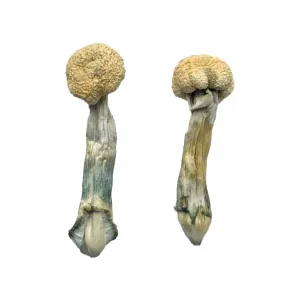
Psilocybin Magic Mushrooms
Albino Treasure Coast Magic Mushrooms – Premium Psychedelic Experience
Reviews
There are no reviews yet.