

Costa Rican Magic Mushrooms


Price range: 110 $ through 1 400 $
Costa Rican Magic Mushrooms (Psilocybe Cubensis Costa Rica) is a strain found in the jungles of Costa Rica. These shrooms grow naturally in the wild and love the warm, humid tropical climate,s and grow at higher sea levels. These scared magic mushrooms have been growing at the base of a highly active 7000-year-old volcano for many millennia and have been storied to be used by the local indigenous people since the beginning of time.

Costa Rican Mushrooms: A Comprehensive Guide
Costa Rica is a mycologist’s paradise – its tropical rainforests and cloud forests teem with fungi. The country has extremely high fungal biodiversity , but historically only a few dozen species have been documented. A 1983 survey listed 67 total mushroom species in Costa Rica (55 edible, 8 poisonous) .
Modern citizen-science efforts (like Costa Rica’s new Fungi Trail) are cataloging more fungi and educating locals and tourists . Such trails combine ecotourism and conservation, inviting visitors to explore cloud forests (e.g. Los Quetzales, Monteverde) for mushrooms . Because so many species remain undocumented, Costa Rican mushroom foragers are taught to identify carefully – using magnifying glasses to examine caps, gills, stalks and spores – before deciding if a fungus is safe to eat.
A mycologist in Costa Rica’s rainforest uses a trowel to search the forest floor for mushrooms . Costa Rican Mushrooms
Edible and Poisonous Costa Rican Mushrooms
Costa Rica’s wild mushrooms include many edible species (used in local cuisine) as well as toxic lookalikes. For example, the bright orange chicken-of-the-woods (Laetiporus sulphureus) grows as shelf-like clusters on trees; it is highly prized as edible (a “particularly tasty” mushroom ).
The striking Indigo Milk Cap (Lactarius indigo), with deep-blue cap and blue latex when cut, is another popular edible . Common oyster mushrooms (Pleurotus sp.) – including pink and gray oyster varieties – also occur on dead wood and are generally safe to eat . (Many local edible fungi like coral mushrooms and chanterelles are still being studied.) In fact, over 50 edible species were recorded in early studies .
•Indigo Milk Cap (Lactarius indigo): A deep blue mushroom (bleeding blue latex) found on the forest floor; edible and sought for its taste .
•Chicken-of-the-Woods (Laetiporus sp.): A vivid orange shelf mushroom on hardwoods; edible and “a particularly tasty variety” of wild fungi .
•Oyster Mushrooms (Pleurotus spp.): Common on fallen logs; easily cultivated and “generally considered safe to eat” .
Despite these edible species, Costa Rica has a reputation for mycophobia (mushroom aversion) , so caution is advised. Poisonous species do exist – early surveys found about 8 toxic species out of 67 recorded . Foragers are always warned: never eat any wild mushroom unless 100% identified by an expert .
Psychedelic Mushrooms of Costa Rica
Costa Rica also hosts psilocybin (psychedelic) mushrooms, which grow naturally in its warm, humid climate. The best-known is Psilocybe cubensis, the classic “magic mushroom.” This fungus grows on cattle and horse dung in Costa Rica’s lowland pastures – especially near volcanic regions like Arenal – and fruits prolifically during the rainy season (roughly May–November). P. cubensis’s global tropical distribution includes Belize, Panama, and of course Costa Rica .
Its fruiting bodies have golden-brown convex caps and bruising-blue stems. The species’ active compounds are psilocybin and psilocin , which produce its psychoactive effects. In fact, P. cubensis is “the best-known psilocybin mushroom due to its wide distribution and ease of cultivation” .
P. cubensis (Costa Rican strain) produces thick stems and large golden caps. It thrives at 300–1,200 m elevation with warm, damp conditions , and fruits after sustained rain (often in clusters at twilight) . As a hallucinogenic fungus, it’s considered “edible” in the sense of consumption for psychedelic use .
Responsible guides note that “the Costa Rican strain’s medium to high potency offers manageable psychoactive effects” used in therapeutic contexts . Research at institutions like Harvard and Johns Hopkins highlights psilocybin’s potential for treating depression, PTSD, and addiction – often via guided ceremonies in settings much like Costa Rica’s retreats .
Aside from P. cubensis, other psilocybin-containing mushrooms may occur. For example, Panaeolus cyanescens (the “Blue Meanie”) fruits on tropical grasses and dung . Species of Psilocybe mexicana, cyanescens, or tampanensis could theoretically be present, but confirmed reports focus on cubensis. In cultivation and enthusiasts’ circles, several Psilocybe cubensis strains are popular:
•Mazatapec – A classic cubensis strain (originating with the Mazatec peoples of Mexico).
•Golden Teacher – A widely known cubensis variety (named for its gold-colored caps), famed for its even growth and introspective potency .
•Enigma – An unusual cubensis mutation. Unlike normal mushrooms, Enigma forms a blueish, brain-like cluster instead of a typical cap-and-stem . (It produces no spores, so it can only be spread by cloning. It is said to be very potent .)
Enigma is not a distinct species but a mutated form of P. cubensis .
Cultivated by a mycologist in 2017, Enigma mushrooms grow as irregular blobs (“psychedelic coral”), lacking caps . Anecdotally, they contain higher levels of psilocybin/psilocin than normal cubensis, possibly because they divert energy from making spores into psychoactive compounds . The result is a potent psychedelic experience, earning nicknames like “the blob mutation” . (Enigma’s rarity and peculiar appearance have made it famous among psychedelic mycologists.)
Costa Rican Mushrooms
Identifying Costa Rican Mushrooms (and Lookalikes)
Correct identification is crucial in the wild. Mycologist Luis Ledezma emphasizes using a magnifying glass to examine every detail: the mushroom’s cap, gills, stalk, hyphae and any bruising . For P. cubensis and other psilocybes, a key feature is blue bruising on the stem when handled. True P. cubensis (Costa Rican strain) will bruise deep blue-black at touched spots , and leave a dark purple-brown spore print. By contrast, some deadly lookalikes lack this.
For example, Galerina marginata (the “deadly Galerina”) has a brown cap and similar size but contains lethal amatoxins. Crucially, Galerina never bruises blue and its spore print is rusty-brown . Other lookalikes include small brown lawn mushrooms like Panaeolus foenisecii, which is non-toxic but not psychoactive , and Conocybe filaris, a grassland species with a conical cap containing amatoxins . Because of these risks, experts say to “always grow from known spores or identify mushrooms through a trained mycologist” .
•Galerina marginata – A small brown forest mushroom. Similar cap size to cubensis, but it contains deadly amatoxins. It does not bruise blue .
•Panaeolus foenisecii (“Lawnmower’s Mushroom”) – Common on lawns, brown, easily mistaken for young cubensis. It is non-toxic but has almost no psilocybin (so a bad mix-up for psychedelic foragers).
•Conocybe filaris – A small grassland mushroom with a rusty-brown cone cap. Highly toxic due to amatoxins .
As these examples show, always note multiple features: cap shape/color, gill spacing, bruising reaction, and spore print . Costa Rican cubensis tends to have thicker white stems and widely spaced gills compared to lookalikes . When in doubt, do not consume. Many guides advise sticking to cultivated “mushroom kits” or professionally identified specimens.
Costa Rican Mushrooms
Mushroom Tourism and Retreats
In recent years Costa Rica has embraced mushroom tourism. Besides foraging tours, the country even opened a Fungi Trail – an ecotourism route where guides inventory fungi and engage citizen scientists .
Lead researcher Ledezma explains that for Costa Rica (a historically “mycophobic” nation) it’s revolutionary: “In Costa Rica, we don’t have a fungi species list… fungi knowledge here is not mainstream.” Such projects aim to shift mindsets by letting locals and visitors discover Costa Rica’s “precious… mushrooms” in cloud forest and jungle settings .
Simultaneously, magic mushroom retreats have become a feature of Costa Rican spiritual tourism. Centers like those in Monteverde host guided psilocybin ceremonies in open-air jungle temples . These retreats market “psychedelic eco-therapy,” combining yoga, nature immersion, and two or more controlled mushroom ceremonies .
(Costa Rica’s legality on psilocybin is murky, but retreats operate by framing mushrooms as ancient plant medicine.) Behold Retreats, for example, advertises a solar-powered jungle center in Monteverde as “an incredible place to do [mushroom] medicine work… one of the most bio-diverse ecosystems on the planet” . They and others cite research from Johns Hopkins and Harvard on psilocybin’s therapeutic potential . Indeed, travelers often report that guided sessions in Costa Rica’s lush setting can yield profound personal and spiritual insight.
Costa Rican Mushrooms
What psychedelic mushrooms grow in Costa Rica?
Costa Rica’s tropical climate is home to many psilocybin mushrooms. The most common is Psilocybe cubensis – a “pan-tropical” magic mushroom found on cattle dung throughout Costa Rica and Central America . Within P. cubensis, several well-known strains exist.
For example, Golden Teacher and Mazatapec are both varieties of P. cubensis valued for their psychoactive effects . (These names come from cultivation lore rather than separate species.) A recently popularized strain called “Enigma” is actually a strange mutation of P. cubensis, growing in blob-like clusters and noted for very strong visual effects . In short, if you encounter a golden-brown mushroom in the Costa Rican jungle or pasture that bruises blue, there’s a good chance it’s P. cubensis.
How can I identify mushrooms safely in Costa Rica?
Caution: mushroom identification can be tricky. P. cubensis has some tell-tale signs – a sticky golden-brown cap, a white ring on the stem, and most distinctively, the mushroom will bruise blue when touched . Its spore print (the color of the powder from its gills) is typically purplish-brown .
However, many poisonous look-alikes exist in the tropics. Experts warn never eat a wild mushroom unless an experienced mycologist has confirmed it . For a safe approach: use field guides or apps, take spore prints, and when in doubt, throw it out. Costa Rican guides often recommend only sampling mushrooms under supervision and sharing findings on platforms like iNaturalist to improve collective knowledge.
Costa Rican Mushrooms
Costa Rican Mushrooms: FAQ & People Also Ask
Are magic mushrooms legal in Costa Rica?
Costa Rica’s laws technically ban production and sale of narcotics, but personal consumption isn’t prosecuted . In practice, this means Psilocybe mushrooms (which contain psilocybin) grow wild and possession of a small amount for personal use is generally tolerated . However, selling, trafficking or cultivating mushrooms can land you in trouble. Always remember that policies can change, so it’s wise to stay updated and exercise caution as a visitor.
Are there edible wild mushrooms in Costa Rica?
Yes, Costa Rica has edible mushrooms, but foraging them is uncommon. Only recently have some eco-tours begun to teach edible varieties: for example, a “Fungi Trail” program offers chances to forage and cook edible mushrooms with guides . Historically, Costa Ricans have been “mycophobic” (averse to mushrooms) dating back to colonial times .
Many tropical fungi are toxic or hallucinogenic, so locals rarely eat random mushrooms. As a rule, tourists should never eat wild mushrooms without a local expert. If you want to try edible mushrooms, stick to cultivated or well-known species in restaurants or markets rather than plucking them in the forest.
What is a Golden Teacher mushroom?
Golden Teacher is a famous strain of Psilocybe cubensis. It has a golden-brown cap (hence “golden”) and is prized for its gentle, introspective effects .
It emerged in the 1980s and became popular as a beginner-friendly variety. Users report that Golden Teachers tend to produce a calm, euphoric body high with mild visuals rather than an overwhelming trip . Its nickname comes from the perceived “lessons” or insights it can gently reveal. Like other P. cubensis, it contains psilocybin/psilocin as the active compounds, but its exact potency is considered average and consistent .
What is a Mazatapec mushroom?
The Mazatapec mushroom (sometimes Mazatec) is another strain of Psilocybe cubensis, originally identified in the Mazatec region of Mexico. It’s known as a strong, spiritual variety.
Compared to Golden Teacher, Mazatapec often has stronger and more visual effects . Users commonly describe Mazatec mushrooms as bringing euphoric energy and heightened senses/vision . Growers note this strain is resilient in cultivation but slower to fruit. Because of its potency, many say Mazatapec is best for those with some prior experience, whereas complete novices might start with milder strains.
What is the Enigma mushroom?
The Enigma mushroom isn’t a separate species but a curious mutation of Psilocybe cubensis. It grows in odd blob-like clusters that look almost brain-like .
Uniquely, Enigma does not produce spores, meaning each culture must be cloned from the original mycelium . It’s known for being above-average in potency, often described as delivering very intense visuals and deep emotional experiences . Because of its secrecy and weird growth habit, Enigma is still somewhat of a rarity in the psychedelic community.
Costa Rican Mushrooms
| Quantity | 1/2 Ounce, 1/2 Pound, 1/4 Pound, One Ounce, One Pound |
|---|
Be the first to review “Costa Rican Magic Mushrooms”
Related products

Psilocybin Magic Mushrooms

Psilocybin Magic Mushrooms

Psilocybin Magic Mushrooms
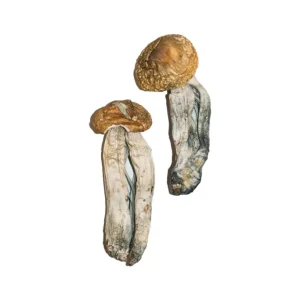
Psilocybin Magic Mushrooms
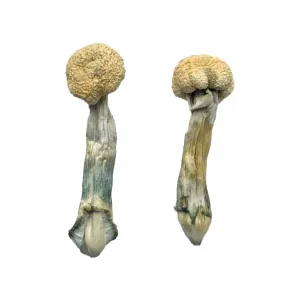
Psilocybin Magic Mushrooms
Albino Treasure Coast Magic Mushrooms – Premium Psychedelic Experience

Psilocybin Magic Mushrooms

Psilocybin Magic Mushrooms

Psilocybin Magic Mushrooms
Reviews
There are no reviews yet.