Buy Ecstacy Pills Online


Price range: 200 $ through 1 800 $
Order/purchase ecstasy MDMA pills/tablets/capsules for sale online without prescription overnight legally cheap in USA, Canada, UK, NZ use for depression, ADHD, weight loss, PTSD. 3,4-Methylenedioxymethamphetamine, commonly known as ecstasy or molly, is a psychoactive drug primarily used for recreational purposes.
MDMA (Ecstasy): Effects, Appearance, Risks & Safety Information
What Is MDMA?
MDMA (3,4-methylenedioxymethamphetamine), commonly known as ecstasy or “molly,” is a synthetic psychoactive substance. It acts as both a stimulant and a mild hallucinogen, affecting mood, perception, and energy levels.
MDMA primarily increases the activity of serotonin in the brain, a neurotransmitter involved in mood regulation, emotional response, sleep, and perception of pain.
How MDMA Affects the Brain
MDMA increases the release of serotonin, dopamine, and norepinephrine. This leads to changes in mood, emotional closeness, energy levels, and sensory perception. Because serotonin levels drop afterward, users may experience low mood or fatigue following use.
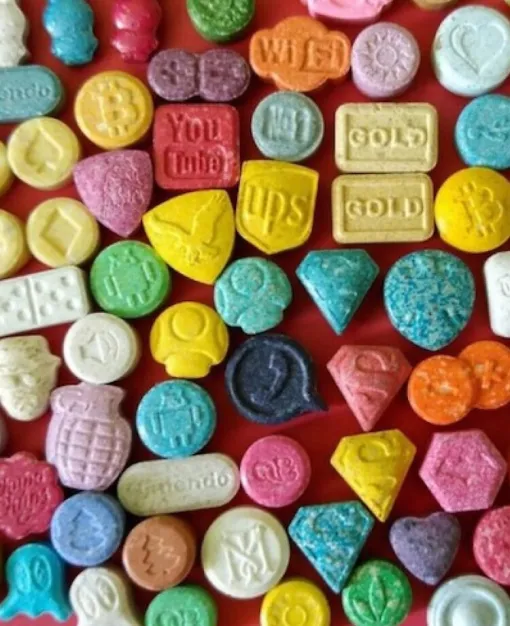
What MDMA Looks Like
MDMA appears in different forms depending on production and processing:
- Pills or tablets: Often colorful, stamped, or shaped in various designs
- Crystalline powder (“molly”): White or off-white crystals or powder
Appearance varies widely, and visual identification alone is not reliable for determining purity or content.
Effects of MDMA
MDMA may produce:
- Increased energy and alertness
- Enhanced emotional warmth and empathy
- Heightened sensory perception
- Distorted sense of time
- Increased sociability
Effects vary based on dose, environment, and individual physiology.
Risks and Side Effects
MDMA use carries potential risks, including:
- Dehydration or overheating
- Anxiety, confusion, or agitation
- Increased heart rate and blood pressure
- Sleep disruption
- Low mood or fatigue after use
Some substances sold as MDMA may contain other chemicals, increasing risk unpredictably.
Harm Reduction Information
Key safety considerations include:
- Avoid mixing MDMA with other substances
- Stay aware of overheating in crowded environments
- Take breaks and avoid overexertion
- Be cautious of unknown or untested substances
Legal Status
MDMA is a controlled substance in many countries. Possession, distribution, or use may be illegal depending on local laws.
Conclusion
MDMA affects brain chemistry in ways that alter mood, perception, and energy. While some people use it recreationally, it carries significant health and legal risks. Understanding its effects and dangers supports safer and more informed decision-making.
| Weight ( Grams) | 100 Grams, 1000 Grams, 250 Grams, 50 Grams, 500 Grams |
|---|
Be the first to review “Buy Ecstacy Pills Online”
Related products

Buy MDMA

Buy MDMA

Buy MDMA
Reviews
There are no reviews yet.